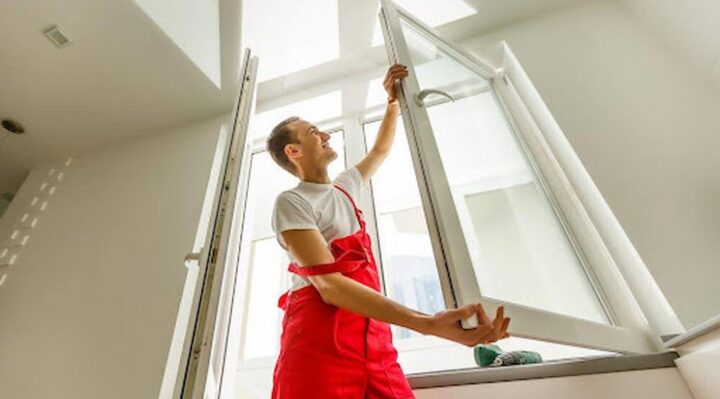
A sudden break in glass can leave a property exposed, uncomfortable, and unsafe. While professional repairs are essential, short-term measures play a vital role in limiting damage and disruption. Knowing how to stabilise a window or door buys time, protects interiors, and restores a sense of control.
When glass breaks unexpectedly, the immediate priority is containment rather than perfection. Whether caused by impact, weather stress, or structural movement, damaged glazing compromises security, insulation, and weather protection. While waiting for a professional Glazing Company to attend and complete emergency repairs, temporary solutions help limit further risk and keep the space usable.
Understanding what to do—and what to avoid—can make a significant difference during those first critical hours.
Why Temporary Measures Matter After Glass Damage
Broken or cracked glazing creates more than visual damage. Open gaps allow wind, rain, and debris to enter, increasing the likelihood of internal damage. Heat loss also rises sharply through exposed openings, making interiors uncomfortable and inefficient.
Temporary fixes are not intended to replace professional glazing. Their role is to stabilise the opening, reduce exposure, and maintain safety until specialist support arrives.
Immediate Safety Checks Before Any Temporary Fix
Before attempting any temporary solution, personal safety must come first. Loose shards, sharp edges, and unstable frames pose a real risk if handled incorrectly.
Clear the surrounding area carefully and keep people away from the damaged opening. Wearing thick gloves and protective footwear reduces the chance of injury while working near broken glass.
Sealing the Opening to Block Weather and Draughts
One of the most effective short-term actions is sealing the opening to limit air and water penetration. This helps protect interior finishes and prevents further deterioration.
Plastic sheeting, polythene, or heavy-duty refuse bags can be cut to size and fixed over the opening. The aim is not a perfect seal, but sufficient coverage to keep wind and rain out until professional glazing is installed.
Securing Temporary Covers Safely
How materials are fixed is as important as the material itself. Poor attachment can fail in wind or create additional hazards.
Strong tape, timber battens, or temporary fixings can be used to hold coverings in place. Avoid forcing materials into the frame, as this can worsen cracks or damage surrounding seals.
Using Boarded Solutions for Larger Openings
For large panes or doors, rigid boarding offers better stability than flexible materials. Plywood or hardboard cut to size can be fixed over the opening to provide a solid barrier.
This approach is especially useful where security is a concern. While it does not restore visibility or insulation, it significantly reduces exposure and prevents unauthorised access.
Managing Internal Temperature Until Repairs Are Complete
Broken glazing affects indoor temperature almost immediately. Cold air enters freely, while heated air escapes, increasing energy loss.
Temporary coverings help slow this process, but additional steps can improve comfort. Closing internal doors, drawing curtains, or isolating the affected room reduces heat transfer and keeps the rest of the property more stable.
Condensation and Moisture Control
Exposed openings often lead to moisture build-up, particularly in cooler conditions. Condensation can form on temporary coverings, increasing damp risk if not managed.
Ventilating other areas of the property and using absorbent materials near the opening helps limit moisture spread. The goal is to protect internal surfaces until permanent glazing restores normal conditions.
What to Avoid With Temporary Glazing Solutions
Some actions may seem helpful but can cause more harm than good. Applying pressure directly to cracked glass, using adhesives not designed for glazing, or attempting to remove embedded shards without experience can all increase damage.
Temporary solutions should never involve fitting replacement glass without proper tools or training. These measures are purely interim until a qualified Glazing Company completes the repair safely.
Preparing the Area for Professional Emergency Glazing
While waiting for professional assistance, small steps can make the repair process smoother. Clearing access to the damaged area and keeping fixings visible allows technicians to work efficiently on arrival.
Documenting the damage, without attempting permanent fixes, ensures that emergency glazing can be installed quickly and correctly.
Practical Tips to Remember During a Glazing Emergency
- Prioritise safety before attempting any temporary fix
- Use flexible or rigid coverings to block weather and draughts
- Secure materials firmly but without stressing the frame
- Isolate affected rooms to manage heat loss
- Avoid DIY glass replacement or permanent adhesives
These steps are simple, effective, and designed to minimise risk until professional support takes over.
The Role of Professional Emergency Glazing
Temporary measures are only a short-term response. Professional emergency glazing restores full security, insulation, and compliance with safety standards.
Specialist teams assess frame condition, remove damaged glass safely, and install suitable replacements. This ensures the repair is durable, weather-resistant, and properly sealed.
Final Summary
Temporary glazing solutions play a crucial supporting role when glass damage occurs. They protect interiors, improve safety, and reduce disruption while waiting for expert repairs. By acting calmly and using appropriate materials, property owners can stabilise the situation until a qualified Glazing Company restores the glazing to full working order.