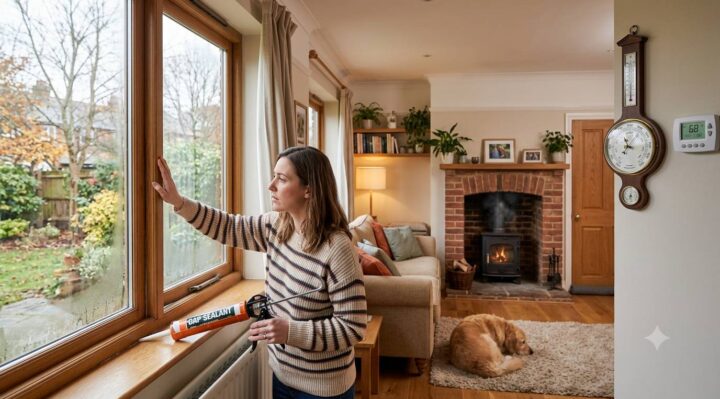
A comfortable home depends on more than temperature alone. The balance of air moving into and out of your living space can affect comfort, indoor air quality, odors, and even how well your HVAC system performs. When that balance is disrupted, you may notice symptoms that seem unrelated at first. Understanding the causes and warning signs can make fixing negative air pressure indoors much easier and help prevent small ventilation issues from becoming persistent household problems.
What Is Air Pressure in a Home?
Air pressure refers to the force created by air inside a space. In a properly balanced home, air entering the building is reasonably matched by the amount of air leaving it. This allows ventilation systems, exhaust fans, doors, and HVAC equipment to operate without creating excessive pressure differences.
Problems can occur when more air is removed from the home than is replaced. This condition is commonly called negative air pressure.
For example, running a powerful kitchen range hood, bathroom exhaust fan, or clothes dryer can remove substantial amounts of air. If the home does not have an adequate way to bring fresh replacement air indoors, the pressure inside may drop relative to the outdoors.
The result can be noticeable in everyday ways, particularly in homes with limited natural ventilation or tightly sealed building envelopes.
Common Causes of Negative Air Pressure
Several household systems can contribute to air pressure problems. Exhaust appliances are among the most common sources because they deliberately move indoor air outside.
Exhaust Fans
Bathroom fans, kitchen exhaust hoods, and other ventilation equipment can create negative pressure when they remove air faster than replacement air can enter.
This does not necessarily mean the equipment is faulty. The issue may simply be that the home lacks enough makeup air to compensate for the air being exhausted.
Clothes Dryers
A clothes dryer vents warm, moist air outdoors. Because it continuously removes air while operating, a poorly balanced home may experience noticeable pressure changes during a drying cycle.
Combustion Appliances
Fuel-burning appliances can also interact with indoor air pressure. If a home becomes excessively negative, air may be pulled through unintended pathways or, depending on the appliance and venting arrangement, interfere with proper exhaust flow.
Because combustion and venting involve important safety considerations, unusual odors or concerns about exhaust gases should be evaluated by a qualified professional.
HVAC and Ventilation Imbalances
Ductwork, air handlers, and ventilation systems can affect pressure throughout a house. A system that supplies significantly more air to certain areas while exhausting air from others may create pressure differences between rooms.
Leaks in ductwork can also change where conditioned air travels, making some spaces feel uncomfortable even when the thermostat appears to be set correctly.
Warning Signs of Air Pressure Problems
Air pressure issues are not always obvious. Instead, homeowners may notice several small symptoms that become more apparent over time.
One common sign is doors that are difficult to open or close. If a door seems to move on its own, sticks unexpectedly, or requires unusual force, pressure differences may be contributing to the problem.
You may also notice drafts around windows, doors, electrical outlets, or other openings. When indoor pressure is lower than outdoor pressure, outside air can be pulled through small gaps in the building envelope.
Another warning sign is unusual or persistent odors. Negative pressure can draw air from garages, crawl spaces, attics, wall cavities, or other areas where unwanted smells may originate.
Some homeowners also notice that exhaust fans seem unusually strong or that the home feels stuffy despite regular HVAC operation. These symptoms can have several possible causes, so they should be considered alongside the home’s ventilation setup.
How Air Pressure Problems Can Affect Comfort
An imbalanced home may not distribute air as evenly as intended. Some rooms can feel drafty while others remain stagnant or uncomfortable.
Pressure differences can also make HVAC performance seem inconsistent. A thermostat may indicate that the home has reached the desired temperature while certain rooms still feel too warm or too cool.
In addition, unwanted outdoor air entering through cracks and gaps can affect indoor comfort. During very hot, cold, or humid weather, uncontrolled air infiltration may place additional demands on heating and cooling equipment.
Practical Solutions for Better Air Balance
The right solution depends on what is causing the pressure imbalance. Simply turning off exhaust fans is not always practical, particularly when they are needed to remove moisture, cooking fumes, and other pollutants.
Instead, the goal is generally to create a healthier balance between exhaust and incoming air.
Improve Makeup Air
If exhaust equipment removes a significant amount of air, a suitable makeup-air strategy may help replace what is being exhausted. The appropriate approach depends on the home’s design, equipment, and local requirements.
Check Ductwork
Inspecting ductwork for leaks, disconnected sections, restrictions, or improper sizing can reveal problems that affect airflow. Correcting duct issues can improve distribution and help the HVAC system operate more effectively.
Evaluate Ventilation
A whole-home ventilation assessment can help determine whether the house receives enough fresh air while stale air is removed. Modern homes can be particularly important to evaluate because tighter construction can reduce natural air leakage.
Inspect Exhaust Equipment
Exhaust fans and hoods should be checked to make sure they are operating as intended and appropriately sized for the space. Excessive exhaust capacity without adequate replacement air can contribute to pressure problems.
When to Call a Professional
Persistent pressure problems are worth investigating rather than treating individual symptoms separately. A professional can evaluate airflow, ventilation, ductwork, exhaust equipment, and other factors that may be contributing to the imbalance.
Professional assessment is especially important when combustion appliances are involved. Air pressure and combustion venting can interact in ways that may create safety concerns if equipment does not receive or exhaust air properly.
Instead of guessing which appliance is responsible, an evaluation can help identify the underlying cause and determine the most appropriate solution.
Conclusion
Air pressure is easy to overlook because it does not have an obvious visual indicator. Yet the balance between incoming and outgoing air can influence comfort, ventilation, odors, and HVAC performance throughout the home.
Paying attention to signs such as unexplained drafts, stubborn doors, unusual odors, or inconsistent room temperatures can help homeowners recognize a potential problem early. With the right assessment and corrective measures, air movement can be brought back into better balance, creating a more comfortable and properly ventilated living environment.