
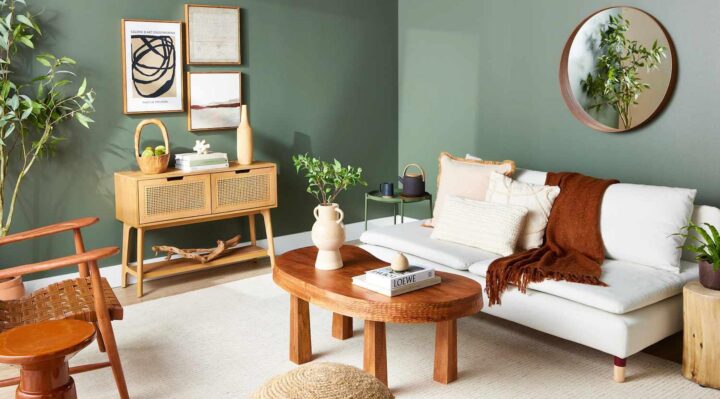
Introduction
Most people want their home to feel comfortable, peaceful, and welcoming. Yet even beautifully decorated spaces can sometimes feel cluttered, stressful, or difficult to relax in. This is where feng shui offers an interesting perspective.
Feng shui is an ancient Chinese practice that focuses on the relationship between people and their surroundings. Rather than concentrating only on decoration, it looks at how furniture placement, room layout, natural light, and organisation influence daily life. While some aspects are rooted in traditional philosophy, many feng shui principles align with modern ideas about creating functional, calming, and intentional living spaces.
The good news is that applying feng shui does not require expensive renovations or a complete redesign. Small adjustments can often make a noticeable difference in how a home feels and functions.
Understanding the Core Idea Behind Feng Shui
At its heart, feng shui is based on the concept of energy flow, often referred to as “chi.” The goal is to encourage this energy to move smoothly throughout a home rather than becoming blocked or stagnant.
When rooms feel overcrowded, poorly organised, or difficult to move through, feng shui suggests that energy becomes trapped. On the other hand, open pathways, balanced layouts, and thoughtful design choices help create a sense of harmony.
Whether viewed as a design philosophy or a spiritual practice, many people appreciate feng shui because it encourages mindfulness about how living spaces affect everyday well-being.
Why Clutter Matters More Than Most People Realise
One of the easiest feng shui principles to understand is the importance of reducing clutter. Clutter creates visual noise and can make even attractive spaces feel stressful. Many people notice that clearing unnecessary items often improves focus, relaxation, and productivity. This idea sits at the centre of many feng shui recommendations.
Before removing or reorganising belongings, it can be helpful to consider whether an item still serves a practical purpose, contributes positively to the room, or simply occupies valuable space. Taking a thoughtful approach often makes the process easier and more effective.
Removing excess belongings does not mean creating a minimalist home. The goal is simply to create a space that feels organised, functional, and intentional rather than overcrowded. When rooms have enough open space to move comfortably and perform their intended purpose, they often feel calmer and more welcoming.
The Importance of the Commanding Position
One of the most practical feng shui concepts is the commanding position. This principle suggests placing important furniture so that occupants can comfortably see the main entrance without being directly in line with it. The idea is that people naturally feel more secure when they can see who is entering a space.
This approach is often used when arranging beds, sofas, desks, and dining tables. For example, a desk positioned with a clear view of the doorway typically feels more comfortable and supportive than one facing a wall with the entrance behind it. Many modern interior designers apply similar principles because they help improve both comfort and functionality while creating a stronger sense of control within a space.
Learning About the Bagua Map
The Bagua map is one of feng shui’s best-known tools. It divides a home into different life areas such as career, relationships, family, creativity, health, and prosperity. Rather than treating rooms as isolated spaces, the Bagua map encourages homeowners to consider how each area supports different aspects of life. It provides a framework for looking at the home as a connected environment where every space serves a purpose and contributes to overall balance.
For example, a neglected corner, an underused room, or an area filled with clutter may signal an opportunity for improvement. By paying closer attention to how different spaces are used, homeowners can create rooms that feel more functional, welcoming, and supportive of daily life.
Many people use the Bagua map as a reflection tool rather than a strict rulebook. Instead of making major changes, they often focus on small adjustments that improve comfort, organisation, and visual harmony throughout the home. This flexible approach allows feng shui principles to fit naturally into modern living spaces while remaining practical and easy to apply.
Understanding the Five Elements
Another foundational feng shui concept involves balancing five natural elements: wood, fire, earth, metal, and water. These elements are believed to influence the atmosphere and energy of a space in different ways.
Wood is associated with growth, creativity, and vitality. It is often represented through wooden furniture, indoor plants, and green tones. Fire symbolises energy, passion, and motivation, which can be introduced through warm lighting, candles, or carefully chosen red and orange accents.
Earth represents stability, comfort, and grounding. Natural stone, ceramic décor, and neutral colour palettes are common ways to bring this element into a room. Metal is linked to clarity, organisation, and focus, often reflected through metal fixtures, decorative accents, and shades of white or grey.
Water is connected with flow, reflection, and calmness. Mirrors, water features, and blue or black tones are frequently used to represent this element within a home.
The goal is not to include equal amounts of every element. Instead, feng shui encourages creating a balanced environment that supports the purpose, mood, and function of each room.
Using Natural Light and Airflow Effectively
Good feng shui places strong emphasis on fresh air and natural light. Bright spaces often feel more uplifting and welcoming. Opening windows regularly helps improve airflow and creates a stronger connection with the outdoors. Simple improvements include:
- Keeping windows clean
- Using lighter window treatments
- Rearranging furniture that blocks sunlight
- Adding mirrors to reflect natural light
- Incorporating healthy indoor plants
These adjustments often improve both appearance and comfort without requiring major expense.
Understanding the Five Elements
Another foundational feng shui concept involves balancing five natural elements: wood, fire, earth, metal, and water. These elements are believed to influence the atmosphere and energy of a space in different ways. Wood is associated with growth, creativity, and vitality. It is often represented through wooden furniture, indoor plants, and green tones. Fire symbolises energy, passion, and motivation, which can be introduced through warm lighting, candles, or carefully chosen red and orange accents.
Earth represents stability, comfort, and grounding. Natural stone, ceramic décor, and neutral colour palettes are common ways to bring this element into a room. Metal is linked to clarity, organisation, and focus, often reflected through metal fixtures, decorative accents, and shades of white or grey.
Water is connected with flow, reflection, and calmness. Mirrors, water features, and blue or black tones are frequently used to represent this element within a home. The goal is not to include equal amounts of every element. Instead, feng shui encourages creating a balanced environment that supports the purpose, mood, and function of each room.
Frequently Asked Questions
What is feng shui in simple terms?
Feng shui is an ancient design practice that focuses on arranging spaces to create balance, comfort, and a positive flow throughout the home.
Do I need to renovate my home to use feng shui?
No. Most feng shui improvements involve simple changes such as decluttering, furniture placement, better lighting, and improved organisation.
Is feng shui based on religion?
Feng shui is a traditional Chinese practice and philosophy. Many people use its design principles without following any religious beliefs.
What is the most important feng shui rule?
Reducing clutter is often considered the easiest and most effective starting point because it improves both function and visual balance.
Can feng shui improve wellbeing?
Many people report feeling calmer and more comfortable after applying feng shui principles, particularly those related to organisation, light, and room layout.
Final Thoughts
Feng shui has remained relevant for thousands of years because its core ideas focus on something universal: creating environments that support how people live, work, and feel. While not everyone approaches feng shui in the same way, many of its principles offer practical guidance that aligns with modern interior design and wellbeing practices.
The beauty of feng shui is that it does not demand perfection. Small adjustments, thoughtful organisation, improved furniture placement, and greater awareness of how a space functions can make a noticeable difference. By experimenting with these ideas and paying attention to how your home feels, you can create a space that supports comfort, balance, and everyday peace without undertaking a major redesign.

