
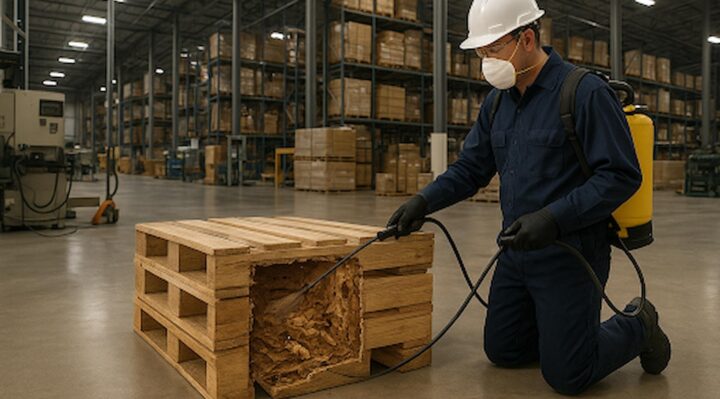
Termites are among the most destructive pests affecting commercial and industrial facilities. While they are small and often hidden, their impact on warehouses and factories can be severe and costly. In large structures that store inventory, machinery, and essential materials, termite activity compromises safety, reduces property value, and disrupts operations. This is why many facility managers rely on industrial Termite Pest control services to prevent and mitigate infestations before they cause long-term damage.
This article explains how termites affect industrial environments, what risks they pose, how professional services address them, and what steps facilities can take to maintain long-term protection. The information is written to help business owners, safety officers, and maintenance managers make informed decisions about termite prevention and treatment.
Why Termites Are a Serious Problem in Industrial Settings
Warehouses and factories often provide ideal conditions for termites. Large buildings with expansive foundations, high-moisture areas, hidden structural features, and limited day-to-day monitoring create opportunities for colonies to grow unnoticed. When infestations remain undetected, the results can include structural weakening, equipment damage, and inventory contamination.
1. Structural Vulnerability
Although commercial buildings may appear sturdy, termites target any available cellulose. This includes wooden pallets, packaging materials, wall supports, expansion joints, drywall, roof frames, and even cardboard storage boxes. Subterranean termites are especially harmful because they can enter through tiny cracks in the foundation and feed for months or years before anyone notices the signs.
2. Moisture Conditions
Industrial environments often have moisture sources that attract termites. These may come from leaky pipes, cooling systems, industrial steam, or groundwater infiltration around the building’s perimeter. Termites thrive in areas with consistent moisture, which makes many factories and warehouses more prone to infestations than standard office buildings.
3. Limited Routine Monitoring
Large facilities are harder to inspect regularly. Termites can hide in storage racks, mechanical rooms, shipping areas, and loading docks. With hundreds of square meters to cover, early detection requires specialized tools and professional oversight.
4. Impact on Productivity
Termite damage is not only structural. It can disrupt workflow, halt production, delay shipments, and put employees at risk. If damage reaches electrical systems, conveyor lines, or shelving units, the cost of repairs can be significant.
For these reasons, Industrial Termite Pest Control Services are considered essential for maintaining safety, reliability, and compliance in industrial operations.
Types of Termites Commonly Found in Warehouses and Factories
Three primary termite species cause problems in industrial environments. Understanding the differences helps facility managers identify risks and select the right treatment plan.
Subterranean Termites
These are the most destructive and widespread. They live in underground colonies and enter buildings through mud tunnels. They prefer moist environments and can work their way into flooring, wall voids, and foundational structures.
Drywood Termites
Drywood termites live inside dry wood and do not require soil contact. They often infest pallets, crates, storage shelves, and wooden frames. Since they stay hidden within the wood, early detection is challenging.
Dampwood Termites
These termites prefer wet or decayed wood. They can be found around leaking pipes, loading docks, and moisture-damaged building materials.
Each species requires a different control strategy, which is one reason professional evaluation is crucial.
Warning Signs of Termite Activity in Industrial Facilities
Termites often remain unseen, but some indicators can signal potential problems.
Visible Mud Tubes
Subterranean termites build brown, clay-like tunnels along foundations, walls, or support beams. These provide moisture and protection while they travel.
Hollow or Damaged Wood
If wooden structures sound hollow when tapped, termites may have eaten the interior. This is particularly dangerous for load-bearing beams.
Discarded Wings
Termite swarmers shed their wings after mating flights. Finding small, transparent wings near windows or lights is a red flag.
Small Pellet Droppings
Drywood termites leave small, sand-like pellets near open crevices. These piles typically form around infested wood.
Bubbling or Warped Paint
Moisture created by termite activity can cause paint to bubble or warp. This is often mistaken for water damage.
Early recognition prevents small issues from escalating into major repairs.
How Industrial Termite Pest Control Services Protect Large Facilities
Professional termite control goes far beyond basic treatments. It includes inspection, diagnosis, prevention, and long-term monitoring. For industrial facilities, a comprehensive plan is tailored to account for supply chain risks, building layout, and regulatory requirements.
Below are key components of professional termite control for warehouses and factories.
Thorough Site Inspections
A certified pest management team begins with a full inspection of the building. This includes:
- Foundation and slab evaluation
- Roofline and structural beam assessment
- Examination of pallets, crates, and stored materials
- Checks for moisture problems
- Inspection of mechanical rooms, loading docks, and storage aisles
Advanced tools such as thermal imaging, moisture meters, and acoustic sensors help detect hidden termite activity. Since industrial settings are complex, inspections are often repeated regularly to ensure continuous protection.
Customized Treatment Plans
After assessing the facility, professionals create a treatment plan based on the type of termite, the extent of the infestation, and the building’s use.
Soil Treatments
Liquid termiticides may be applied around the building’s perimeter to create a protective barrier that prevents subterranean termites from entering.
Baiting Systems
Termite bait stations placed around the facility attract termites and gradually eliminate the colony. This method is effective and low-disruption, making it suitable for busy industrial sites.
Wood Treatments
Wood preservatives or borate-based treatments protect wooden structures and pallets. These penetrate the wood and stop termites from feeding.
Spot Treatments
For localized infestations, targeted applications may be used. These address small areas without affecting normal facility operations.
A combination of these methods is often recommended for full protection.
Ongoing Monitoring and Maintenance
Termite control is rarely a single treatment. Industrial buildings benefit most from year-round monitoring. Professionals return regularly to check bait stations, inspect sensitive areas, and adjust strategies as needed.
Monitoring helps identify new activity early and keeps facilities compliant with internal safety standards and external regulations. It also reassures management that the building and inventory remain protected.
Prevention Strategies for Long-Term Protection
Prevention is a core component of Industrial Termite pest control services. After treatment, pest control teams often recommend structural modifications or environmental changes that limit future termite activity.
These may include:
- Fixing plumbing leaks and improving drainage
- Sealing entry points around foundations
- Replacing moisture-damaged wood
- Installing vapor barriers in crawl spaces
- Using metal or concrete pallets instead of wood
- Maintaining proper landscaping around the building
These measures help facilities reduce risk long after the initial treatment.
Why DIY Approaches Are Not Enough for Industrial Buildings
Many business owners consider handling pests in-house to save costs. While this may work for minor issues, termite control for industrial buildings requires professional expertise.
Key reasons include:
Hidden Activity
Termites usually remain concealed in walls, foundations, or underground. Without specialized tools, staff may overlook major issues.
Wrong Treatment Types
Termite species require different control methods. Misidentifying the species can lead to ineffective treatment and ongoing damage.
Safety Concerns
Chemical treatments must be applied carefully to protect workers, products, and equipment.
Operational Disruption
Professionals use treatment strategies that minimize downtime. DIY methods often interrupt production schedules.
Long-Term Monitoring
Termite control is ongoing. Without a structured plan, infestations can return quickly.
For these reasons, partnering with a qualified provider is the safest and most effective choice.
The Financial Impact of Termite Damage on Industrial Facilities
Termite damage creates long-term financial risks that go beyond simple repairs.
Structural Repair Costs
Damage to beams, floors, or load-bearing walls can be expensive to fix. In older buildings, reconstruction may be required.
Inventory Loss
Termites can contaminate stored goods, especially products packaged in cardboard or wood.
Equipment Damage
Termites sometimes chew through electrical insulation or wiring. This can interrupt production and create fire hazards.
Business Interruptions
When inspections or repairs shut down operations, facilities lose revenue.
Insurance Limitations
Most insurance policies do not cover termite damage, which means the cost often falls entirely on the business.
Preventive care through Industrial Termite Pest Control Services is far more affordable than dealing with major repairs.
How to Select a Reliable Industrial Termite Control Provider
Choosing the right provider is essential for long-term success. Consider the following factors:
Industry Experience
Companies with experience handling large commercial and industrial accounts understand the complexities of warehouses and factories.
Certification and Licensing
Choose providers certified by recognized pest management associations and approved state agencies.
Advanced Tools and Methods
Look for teams that use modern detection tools, baiting systems, and non-disruptive treatments that fit industrial workflows.
Custom Service Plans
The provider should tailor the plan to your facility’s specific needs.
Clear Reporting
Industrial clients benefit from detailed reports, digital monitoring logs, and documentation that supports compliance and safety audits.
Strong Communication
Reliable providers respond quickly and keep facility managers informed throughout the process.
Conclusion
Termites pose a serious threat to warehouses and factories, where large structures and constant activity make early detection challenging. If left untreated, infestations can cause significant structural damage, disrupt production, and threaten worker safety. This is why many facilities depend on Industrial Termite Pest Control Services to protect their property and maintain smooth operations.
With professional inspections, tailored treatment plans, and year-round monitoring, businesses gain long-term protection and peace of mind. Preventive strategies also help reduce the risk of future infestations while preserving the integrity of the building and the materials stored inside it.
Taking a proactive approach is the best way to safeguard an industrial facility from termites. With the right service provider and a consistent management plan, warehouses and factories remain strong, stable, and ready to support ongoing growth.

