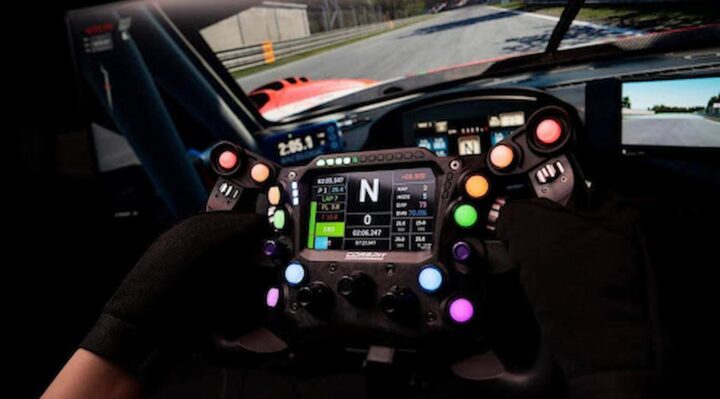
Sim racing isn’t just about fun and competition—it’s a serious training ground for aspiring drivers. From mastering throttle control to understanding racing lines, virtual racing is shaping the next generation of track professionals. Discover how simulated racing sharpens real-world driving skills like never before.
Introduction: When Virtual Meets Reality
Sim racing has grown from a hobby into a respected platform for motorsport training. What began as entertainment now plays a vital role in developing professional racing skills. With realistic setups, advanced physics engines, and precision hardware, drivers can experience the challenges of track racing from the comfort of their homes. The evolution of the Conspit Wheel Base and similar devices has made this transition even more authentic.
Virtual racing environments replicate every aspect of real-world driving—from car behaviour and tyre wear to track conditions and weather dynamics. As technology improves, the difference between simulation and reality continues to blur, offering racers a powerful tool for skill development.
Precision and Control: The Heart of Real Racing
Sim racing enhances one of the most fundamental skills—control. Drivers learn how to manage steering sensitivity, throttle pressure, and braking balance under simulated race conditions. The Conspit Wheel Base delivers an immersive force feedback experience, enabling drivers to feel traction loss, understeer, and oversteer precisely as they would on a real circuit.
By repeatedly practising these reactions, racers build muscle memory that directly translates to real-world performance. Many professional drivers, including those in Formula 1 and endurance racing, regularly use simulators to refine their precision and reaction timing.
Learning Racecraft and Strategy
Sim racing isn’t only about speed; it’s also about strategic thinking. Competitors must analyse track layouts, plan overtakes, manage fuel and tyres, and adapt to evolving race dynamics. These decisions, made under pressure, mirror the split-second judgement calls required in real motorsport.
Drivers who train extensively in simulators develop tactical awareness—understanding when to push and when to conserve. This strategic mindset often gives them an edge during competitive racing seasons.
Understanding Track Dynamics and Vehicle Behaviour
Every racetrack poses unique challenges—tight corners, elevation changes, and varying grip levels. Through simulation, racers can study each track’s nuances long before physically arriving there. This preparation is invaluable, allowing them to anticipate turns, braking zones, and acceleration points with accuracy.
Sim racing also deepens a driver’s understanding of vehicle dynamics. It allows experimentation with car setups—adjusting suspension, aerodynamics, and tyre pressures—to observe how these factors affect performance. Such knowledge is essential for any serious racer seeking to optimise handling and efficiency.
Building Focus, Patience, and Discipline
Racing demands intense concentration and mental endurance. Simulators replicate this pressure, forcing drivers to maintain focus during long sessions and avoid errors. Every mistake—whether a missed braking point or an early throttle—has measurable consequences, reinforcing discipline and patience.
Over time, this constant exposure builds resilience. Drivers learn to manage frustration, recover from setbacks, and remain composed under stress—qualities that define successful competitors on real tracks.
The Role of Feedback and Data Analysis
Modern sim racing platforms generate vast amounts of telemetry data—lap times, throttle inputs, braking pressure, and cornering speeds. Analysing this data helps drivers pinpoint areas for improvement. By studying detailed feedback, racers can refine their driving style with surgical precision.
In professional settings, teams often use similar data-driven approaches to evaluate performance. Learning to interpret and act on this information prepares sim racers for the analytical side of real-world motorsport engineering.
Physical Preparation and Coordination
Sim racing develops essential physical attributes like hand-eye coordination, reaction speed, and endurance. Extended sessions build the muscle control required for consistent lap times, especially with high-quality hardware that mirrors the resistance and feedback of real cars.
Although simulators cannot fully replicate G-forces, they still demand stamina and precision. Training with realistic steering bases and pedal systems enhances these physical skills, narrowing the gap between simulation and live racing.
From Virtual Podium to Real Track
The rise of eSports has blurred the boundaries between virtual and physical competition. Several sim racers have transitioned successfully into professional motorsport—proving that simulated experience can translate into podium results. This crossover highlights how valuable sim racing has become as both a learning tool and a career pathway.
The accessibility of high-end equipment means anyone with dedication can train like a pro. As simulators become even more realistic, the line between learning and competing continues to fade.
The Future of Driver Development
Sim racing is no longer a supplement; it’s a core part of modern driver development. Motorsport academies, professional teams, and even manufacturers now use simulators to identify and train talent. Continuous improvements in hardware and realism ensure this trend will only strengthen.
As simulation technology evolves, tools like haptic feedback, motion rigs, and AI-driven coaching will make virtual racing even more immersive. The skills honed through these systems will remain directly relevant to competitive motorsport for years to come.
Conclusion: The Realism Revolution
Sim racing bridges the gap between gaming and real-world competition. It refines coordination, enhances focus, and instils discipline—all while delivering data-driven insight into performance. For aspiring racers, it provides a cost-effective, safe, and accessible platform to develop genuine driving expertise.
The virtual circuit is no longer just a playground—it’s the training ground for tomorrow’s champions.